How to Choose a Software Development Partner

The short answer
The right development partner pushes back before they build. Ask what problem a feature solves, who writes the first version of the architecture, what technical debt you are taking on and why, and how they hold scope when the scope is not settled yet. A partner who agrees with everything is deferring the argument, not avoiding it.
TLDR
Choosing the wrong development partner is like betting it all on Red, but the ball finally lands on black.
It looks like a power move, but you end up losing your chips.
Projects fail because of misaligned scope & incentives, and hidden technical edge cases.
The right partner will always:
Question your ideas before building them.
Explains tradeoffs instead of saying yes to everything.
Protects you from scope creep and is upfront.
Designs for future change without over-engineering.
Has survived failure before and learned from it
This article breaks down how to spot the black sheep in Product development. Including rare edge cases, most leaders experience them rarely.
Why “Good Developers” Can Still Break Products
Most founders and leaders believe that failure happens because developers lack skill. But even capable teams with loads of experience can break a product.
Most of the common reasons are:
The team’s focus is on speedy execution rather than clear use cases.
Treating requirements as fixed during the Ideation and forming stage.
Lack of clarity on why we are building in the first place.
Avoiding hard conversations and pushing them to a later stage.
Even trained technical teams can produce mediocre results. If not directed in the right direction.
The First Red Flag: An Agreement Without Friction
If a development partner agrees with everything you say, pause for a second. Strong partners tend to push back early.
While weak partners tend to push problems downstream.
When you describe a product feature, listen for:
“What problem does this solve?”
“Who is this for?”
“What happens if we do not build this now?”
Suppose the response is always yes, without any clarification. You most likely are buying into a team that will snowball later. The best product teams understand that digital products can always be further optimized.

Scope Creep Is Not a Client Problem. It Is a Partner Problem.
Scope creep is often blamed on founders, but that’s only half the truth
It happens when:
Requirements accepted without validation
Assumptions are not documented
“Small changes” are not tracked
There is no mechanism to say no without conflict
A capable partner safeguards you using:
Written assumptions
Clear change request processes (most often involve filling a form)
Clear definitions of what’s ready to ship
Regular scope checkpoints
PMI identifies uncontrolled scope changes as a leading cause of project overruns
Ask your partner this: “How do you prevent scope creep when the founder is still figuring things out?”
If they blame clients, it’s time to walk away.
Contract structure sits underneath all of this. We have written separately on fixed-cost versus hourly, and what actually protects you from scope creep.
Rare But Real Problem: The Invisible Senior Developer
One of the most painful edge cases.
It is a situation where you get to see senior developers for a few meetings during onboarding. You think you chose experience, but in reality, you get the experience only for a few meetings.
The actual code is being handled by the junior team.
This happens when:
Senior developers show up only for sales & onboarding calls
Junior teams take over delivery
Knowledge transfer never happens
How to detect this early:
Ask who writes the first version of the architecture
Ask who will be on call during production issues
Ask to meet the actual delivery team, not leadership

Technical Debt Is Not Always Bad. Hidden Technical Debt Is
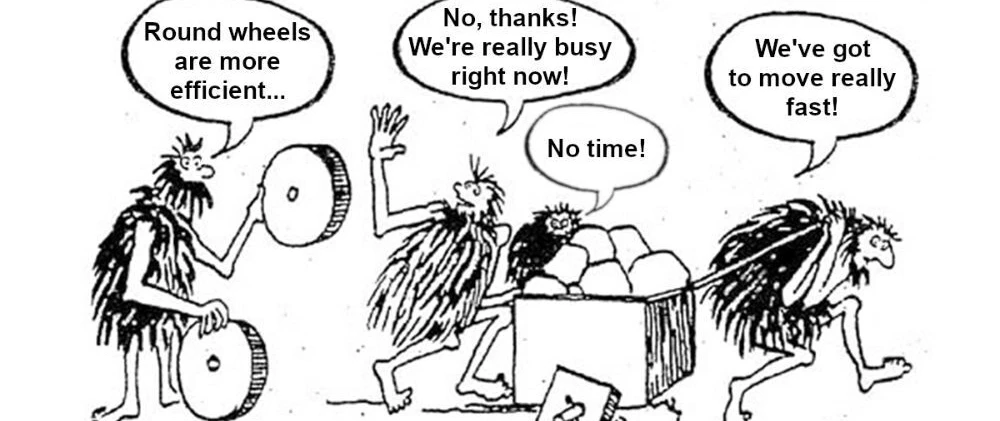
dev.to/adamthedeveloper
Every product carries technical debt. That is normal. The danger is debt you do not know exists.
Examples:
Hardcoded business logic that blocks future pricing models
Authentication shortcuts that break enterprise deals
Database schemas that cannot scale past early traction
Frontend decisions that make redesigns expensive
A good partner documents debt instead of leaving landmines.
Ask your partner this: “What technical debt are we taking on, and why?”
If they cannot answer, you are already accumulating interest.
Edge Case: The Tech Stack Trap
Another thing to watch out for is generic solutions. Partners tend to push tech stacks they know and are comfortable with, which might not be the best fit for your case.
Red flags:
Every solution uses the same stack regardless of context
No discussion of tradeoffs
Dismissal of alternatives without explanation
Good partners explain:
Why this stack fits your timeline
What breaks if you scale
What happens if you change vendors later
Atlassian emphasizes that technology choices should follow workflow, not convenience
If the answer to “why this stack” leads to speed, future rewrites are inevitable.
Communication Failure Does Not Look Like Silence
Most founders have a fear of ghosting!
The real danger is communication without substance.
What this looks like:
Weekly updates with no decisions
Progress reports without risks
Demos that avoid uncomfortable areas
Optimism without the evidence
Effective partners communicate via outcomes, not activity.
Study from Asana highlights why software projects fail
Ask your partner this: “What risks are keeping you up at night on this project?”
Silence is not confidence; it’s avoidance.
The Contract Clause Nobody Reads but Always Regrets
Ownership and exit terms, think of this:
You want to switch development partners, and the code is yours, but the documentation? The deployment pipeline? Hard Reality Check: Leaving costs more than staying.
Protect yourself by ensuring:
Full IP ownership clarity
Access to repos and infrastructure
Documentation as a deliverable
Handover clauses that are realistic
A study fromForbes shows both sides and the reality of Vendor Lock-in.
Strategy and scope come before a number in how we structure engagements, and handover terms are part of that conversation rather than an afterthought.
Final Litmus Test Before You Sign
Ask one final question:
“If this project fails, why do you think it will fail?”
The right partner answers honestly, while the wrong partner reassures you.
And reassurance has never shipped a good product.

Common questions
Four questions do most of the work. What problem does this feature solve and who is it for. Who writes the first version of the architecture and who is on call in production. What technical debt are we taking on, and why. And if this project fails, why do you think it will fail. The last one separates an honest partner from a reassuring one.
Only half of it. Scope creep happens when requirements are accepted without validation, assumptions never get written down, small changes are not tracked, and there is no way to say no without a conflict. All four of those are things a partner controls. If a prospective partner blames clients for scope creep, that is your answer.
Ask who writes the first version of the architecture, ask who will be on call when something breaks in production, and ask to meet the delivery team rather than the leadership team. The failure mode is senior people who appear for the sales and onboarding calls and are not seen again once delivery starts.
No. Every product carries some and that is normal. The danger is debt nobody told you about. Hardcoded business logic that blocks a future pricing model, authentication shortcuts that break enterprise deals, a schema that cannot scale past early traction. A good partner documents the debt rather than leaving it for you to discover.
Owning the code is not enough on its own. Make sure the agreement is explicit about IP ownership, your access to repositories and infrastructure, documentation as an actual deliverable rather than a promise, and a handover process that is realistic. Without those, leaving costs more than staying, which is not a position you want to negotiate from.
More Posts
Why Accounting Firm Websites Don’t Convert
Your accounting firm website gets traffic but almost nobody enquires. The four things a visitor needs before booking, and the mistakes that lose them.
Next post ›Why Legacy Companies Fall Behind in the AI Era
Legacy companies don't fall behind on AI because of the tools. They fall behind on operational clarity. What behind actually means, and what to fix first.